
Biochar
Elemental Fire’s Responsibility

This essay will describe what BioChar is, how it’s different from charcoal, how it’s produced on a small scale, what it can do, and why it’s beneficial.
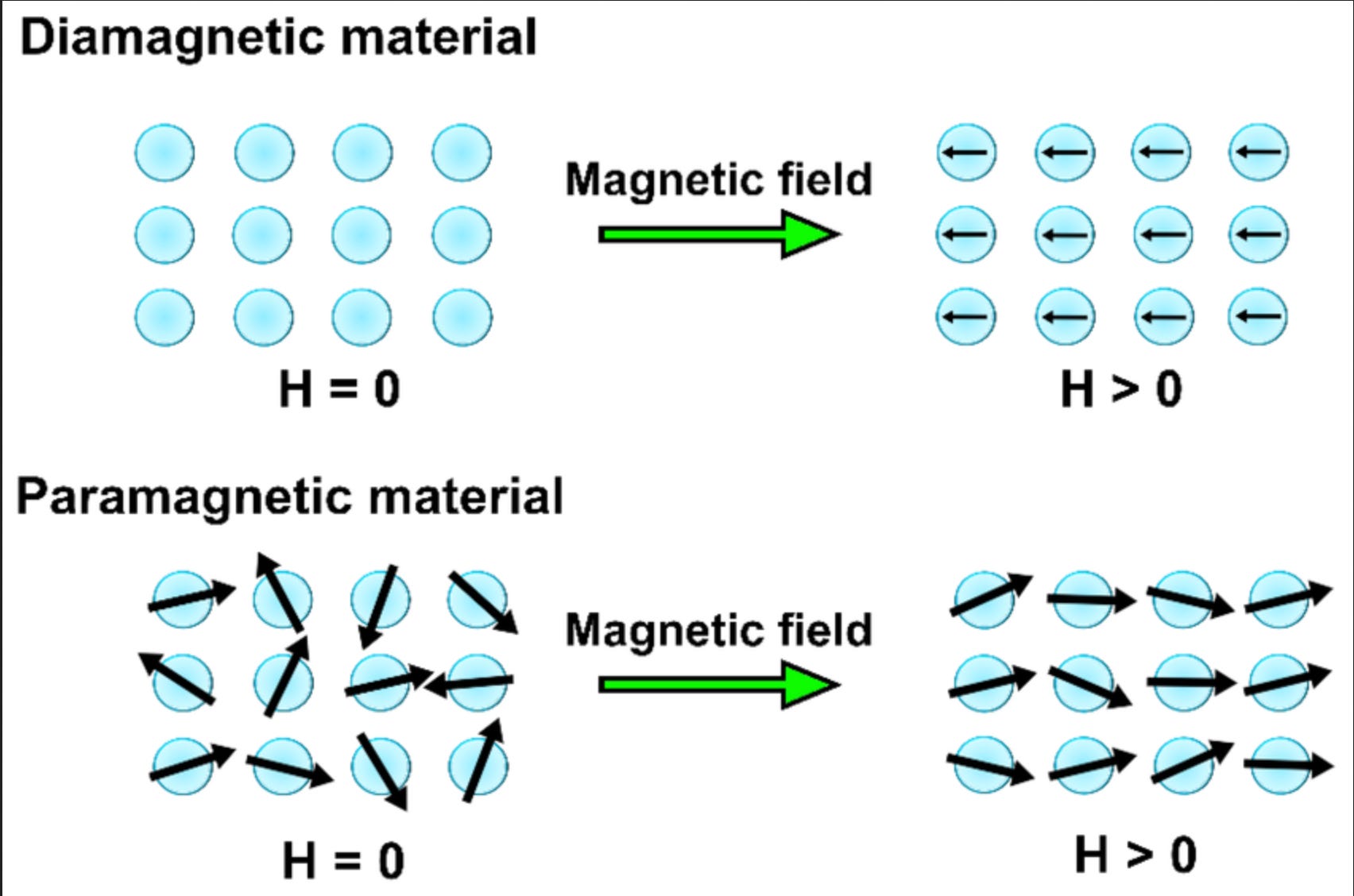
BioChar is a highly porous form of carbon that is extremely diamagnetic. It’s formed by cooking biomass in a low-oxygen environment. If it’s cooked at a high temperature and the volatile gasses are released quickly, it can be used as activated carbon.
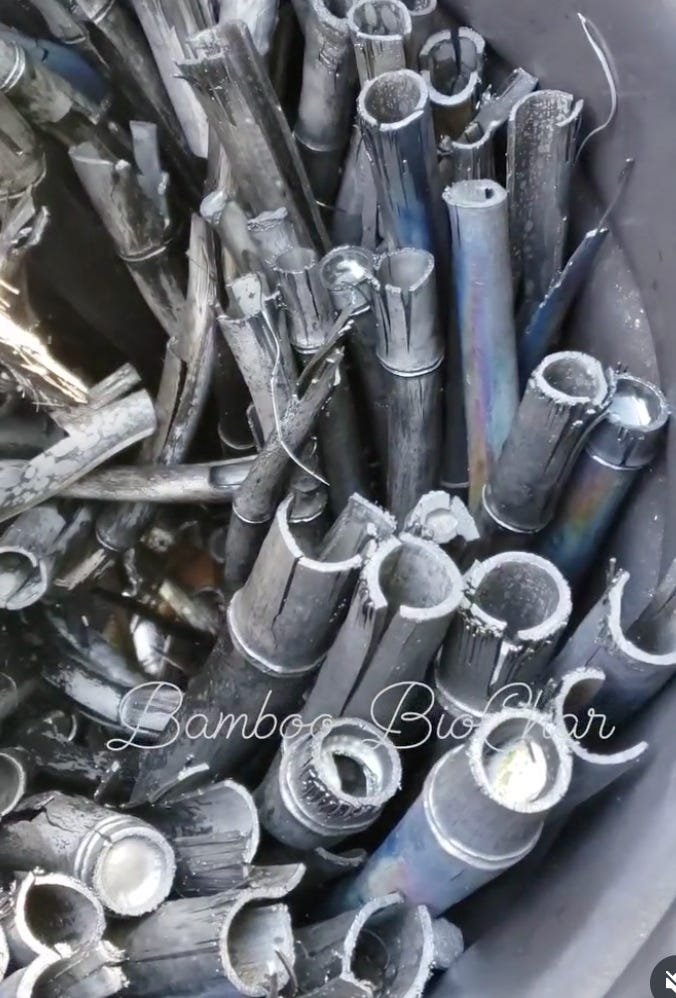
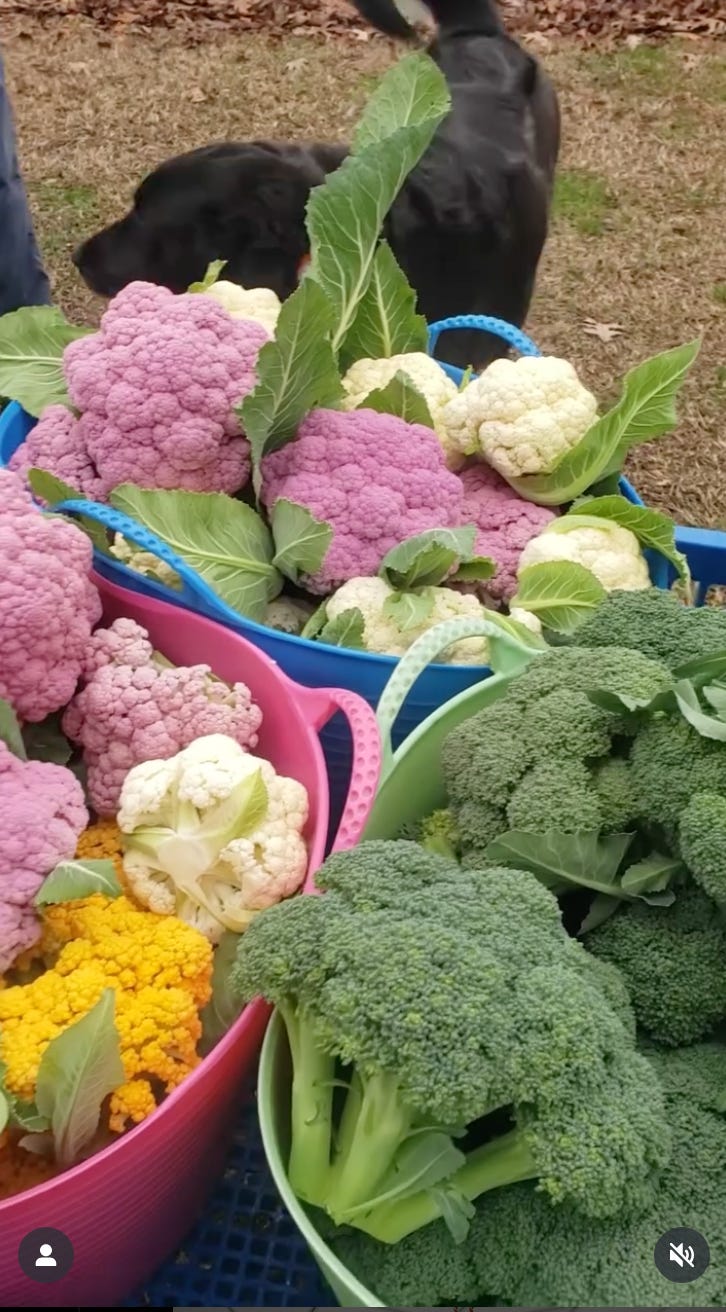
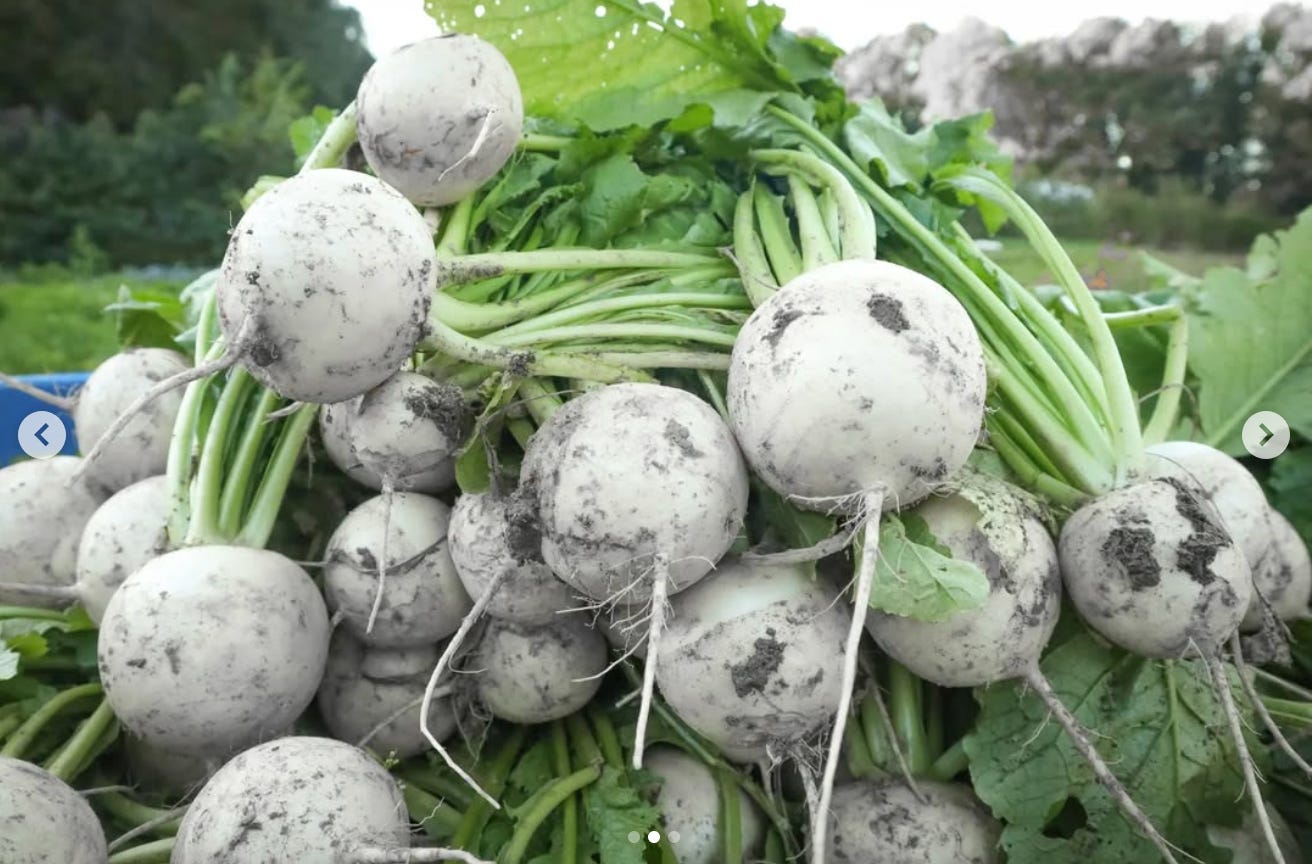
Carbon is ubiquitous in the organic world, and can be fixed into a stable soil amendment with the application of heat in appropriate vessels. By converting organic waste products into BioChar, we are putting carbon in its most beneficial form back into Mother Nature’s bank, the soil. We are only as healthy as our soil will permit. Super dosing it with activated carbon corrects the PH, improves water retention, promotes mycillial and microbe proliferation, and concentrates telluric currents. Telluric currents are subtle electrical fields that move through the earth, that need moisture, and are attracted to the superconductors that are present within biochar. As farmers that use electroculture are showing us, yields are greatly enhanced when the soil’s voltage is increased. This promotes cation exchange at the root level, making healthy and robust plants that fruit a lot.
[Author’s note: I lovingly refer to AI as Eliza; see my other articles.]
Eliza’s Definition of BioChar: Biochar is a charcoal-like substance produced from biomass (organic matter like wood or agricultural waste) through a process called pyrolysis (heating in the absence of oxygen). It's primarily used as a soil amendment to improve soil fertility and structure, but also plays a role in carbon sequestration.
What makes BioChar different from charcoal is the layer of pyrolytic carbon that it contains. That’s a fancy way of saying it has about 100x more diamagnetic material in its structured carbon matrix. Diamagnetic carbon resists electromagnetic fields (EMF’s) and is a wonderful attractor to beneficial bacteria. A form of high-temperature BioChar is also known as activated carbon, which is primarily used to absorb toxins from its environment. High diamagnetism, combined with incredible porosity and high surface area makes the biochar a keen aid in sequestering pesky buggers.
On the flip side, BioChar’s stable carbon matrix is the ideal condo for beneficial bacteria. Biochar has a ton of surface area because of its porosity. Think of coral in the ocean. Coral is a calcium condo for crustaceans, which has a ton of surface area because of it’s porosity. On a much smaller scale, BioChar is the carbon analog to the calcium-based coral. The hexagonal pattern of the carbon molecule honeycombs itself when there is sufficient enough heat in a low-oxygen environment. There’s a reason why bees like the hexagon, as it provides a tremendous opportunity for stacking in a stable way. This hexagonal geometry lends itself to be stable and durable.
You can create biochar by heating BioMass (dried leaves, forest debris, wood cut offs, rice hulls etc.) in a low-oxygen environment until all the gasses have been exhausted, and the remains are black. I have a system where I heat a modified metal barrel that contains BioMass to 2000F for 20-30 minutes, and then immediately quench the hot carbon with water. I’m left with dark, black carbon that has a pearlescent sheen and is very easy to crumble. When crushing this carbon, it sounds like millions of glass shards breaking.
On a larger scale of mechanized pyrolysis, there are kilns that look like large panini sandwich makers that roll biomass through with automated conveyor belts until the necessary heat is reached. Some of these machines can trap the exhausted volatiles and extract the syngas for future use. Syngas has the same BTU’s as propane, so the gasses can be used to offset the energy needed to heat the BioMass to begin with. In my small scale set up in Costa Rica, my BioChar reactor not only made biochar but it heated water, provided heat to my kitchen and the gasses were used to smoke-cure bamboo.
Here’s a list of BioChar's benefits:
Removes toxins
Structures and cleans water
Blocks EMF’s
Reduces pests
Increases plant yields
Concentrates Telluric currents
Retains water and beneficial bacteria
Promotes appropriate drainage
Improves Livestock’s gut biome
Syngas as a byproduct of it’s creation
Prevents erosion by stabilizing the ground
Reduces harmful chemical dependency
Recycling of hydrocarbons
The Alchemists knew a thing or two about how the natural world works. In their purification process, they would pyrolyze the substance to purify it. To them, pyrolysis was accelerating what nature would have done over a very long period of time. We can take our scrap biomass and instantly convert it into carbon amendments that enhance every aspect of the agrarian experience, as long as we use the fire element responsibly. The BioChar movement could be the modern version of a controlled burn of a forest’s undergrowth, or that of the old savannah on the west side of the Mississippi River. The smolder burns help replenish the ground with the carbon it needed to be fertile for hundreds of years. Now we need to correct the ground assault that started after WWII. BioChar will be our peace treaty with the very soil that supplies us vitality.
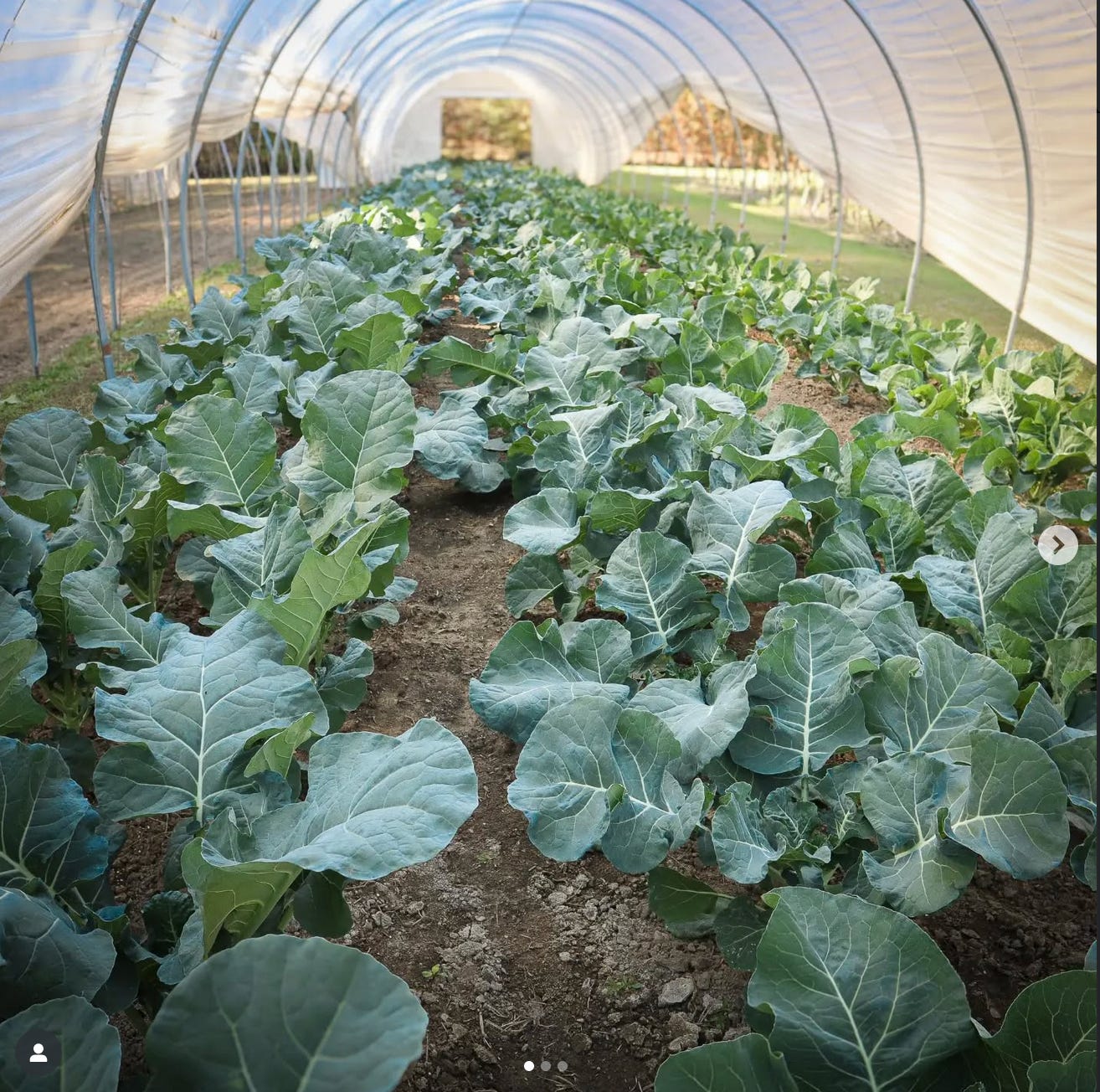
****photos supplied by @thefertilecurrent
Makes me want to go fire up the biochar kiln I bought from Topher. Black gold!
Very well written summary full of gravy!